
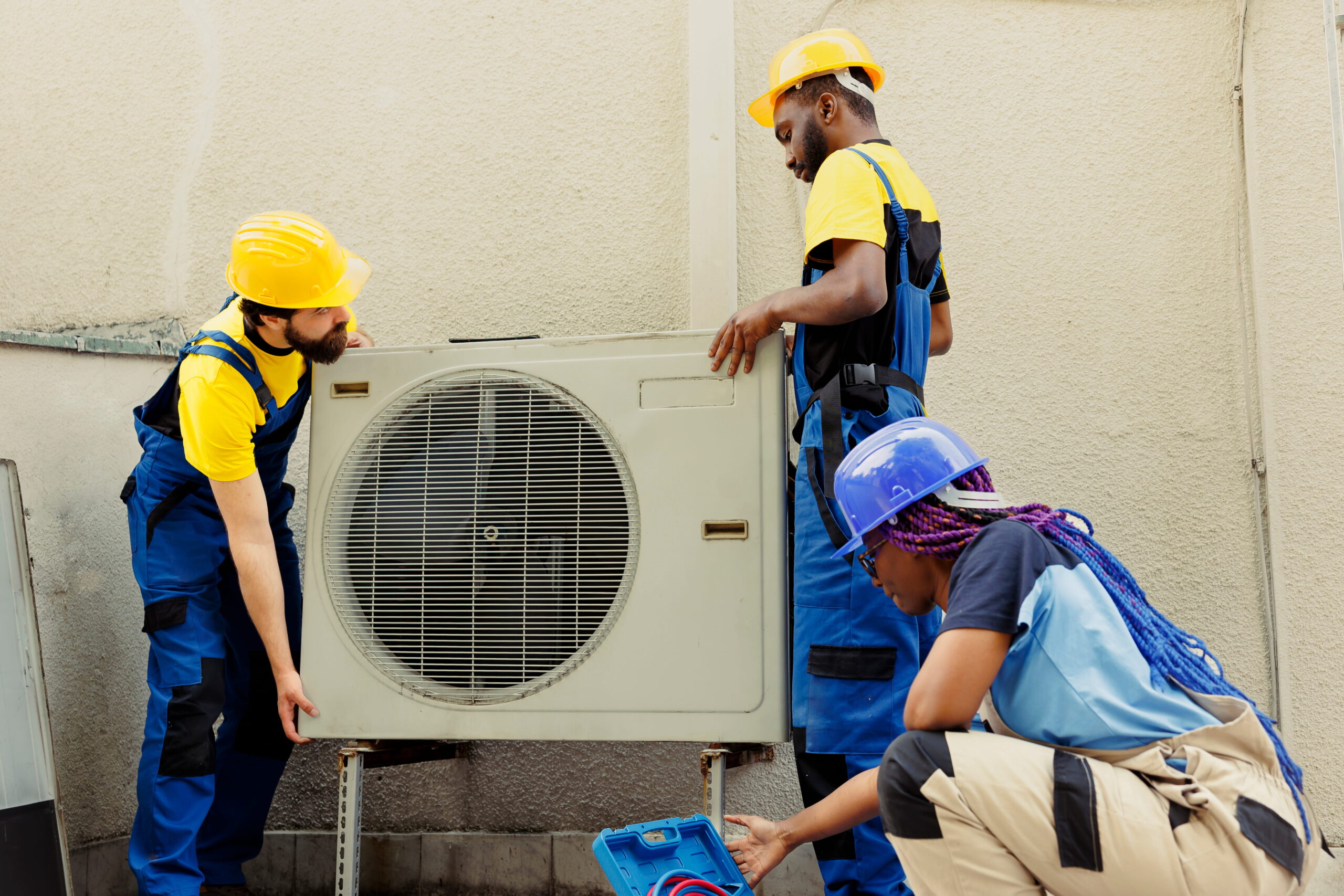
When your building’s heating or cooling system fails, it affects everyone. Employees struggle to focus, customers feel uncomfortable, and productivity plummets. That’s why it’s crucial to pick the right commercial HVAC services provider. A good partner fixes problems and helps prevent them. They protect your equipment investment and keep your operations running smoothly all year. If you’re weighing options and don’t know what to look for, this guide breaks it down step by step.
Why Choosing the Right Commercial HVAC Services Company Matters
Commercial systems differ from residential units. They are larger, more complex, and often linked to ventilation systems, building automation, and energy management controls. Hiring a company that truly understands commercial HVAC work ensures:
- Fewer unexpected breakdowns
- Lower long-term repair costs
- Better indoor air quality
- More stable utility bills
- Longer equipment lifespan
Look for Experience with Commercial Systems
Not every HVAC company specializes in commercial settings. This distinction is important. Commercial properties often include:
- Office buildings
- Retail spaces
- Restaurants
- Warehouses
- Medical or professional facilities
Each space has unique heating and cooling needs. Ask specific questions:
- How many years have you worked with commercial systems?
- What types of properties do you service?
- Are your technicians trained on large-scale equipment?
A company that focuses on commercial HVAC repair will know rooftop units, split systems, chillers, and zoning controls much better than a residential-only contractor.
Evaluate Their Commercial HVAC Maintenance Services
Maintenance is where significant savings occur. Strong commercial HVAC maintenance should include:
- Seasonal inspections
- Filter replacement schedules
- Electrical connection checks
- Refrigerant level monitoring
- Thermostat calibration
- Airflow testing
Regular maintenance stops small issues from becoming major failures. If a provider only emphasizes repairs, that’s a red flag. A reliable commercial HVAC services company will focus on routine service plans to reduce downtime.
Check Licensing, Insurance, and Certifications
This part isn’t thrilling, but it’s vital. Before hiring anyone, confirm:
- Proper licensing in your state
- General liability insurance
- Workers’ compensation coverage
- Manufacturer certifications
Commercial HVAC systems are significant investments. You need technicians who are trained, insured, and accountable. Proper documentation protects your business if anything goes wrong.
Ask About Response Time and Emergency Support
Commercial systems don’t break down at convenient times. When assessing a company, ask:
- Do you offer emergency service?
- What is your average response time?
- Is there after-hours support?
A strong commercial HVAC repair provider knows that downtime impacts revenue. Quick diagnostics and fast turnaround are crucial, especially during peak seasons. Reliable communication is just as important as technical ability.
Review Their Repair Approach
Anyone can replace parts, but better companies diagnose root causes. When discussing repairs, seek a provider who:
- Explains what failed and why
- Offers repair versus replacement comparisons
- Provides clear cost breakdowns
- Documents the work performed
Transparent communication builds trust and helps you plan future equipment upgrades more strategically.
Consider Energy Efficiency and Long-Term Cost Control
Energy use is one of the largest operating expenses in commercial buildings. The right commercial HVAC services partner should:
- Identify efficiency improvements
- Recommend programmable or smart controls
- Suggest equipment upgrades when needed
- Help extend equipment lifespan
Efficiency isn’t about flashy upgrades; it’s about practical changes that lessen the burden on your system. Over time, even small adjustments can lead to meaningful savings.
Look for Preventive Maintenance Agreements
A maintenance agreement creates a structured plan. Instead of waiting for problems to arise, you’ll have scheduled service visits throughout the year. Benefits often include:
- Priority scheduling
- Discounted repair rates
- Reduced emergency calls
- Better budget planning
For most businesses, proactive commercial HVAC maintenance reduces stress and surprise costs. Consistency keeps your building comfortable and manageable.
Assess Communication and Professionalism
Technical skill is vital, but so is how a company communicates. During your first interaction, notice:
- Are they clear and straightforward?
- Do they answer questions directly?
- Do they provide written estimates?
- Do they follow up?
Commercial clients need organized service records and reliable communication. You’re not just hiring technicians; you’re choosing a long-term service partner.
Read Reviews and Ask for References
Online reviews can reveal trends. Look for comments about:
- Timeliness
- Clean work practices
- Professional behavior
- Follow-through
You can also ask for commercial references. Speaking with another business owner often offers insights that online reviews cannot.
Understand Their Service Range
The best providers offer a full range of HVAC commercial service support:
- Commercial HVAC Installation
- Commercial HVAC System replacement
- Commercial HVAC Maintenance
- Commercial HVAC Emergency repairs
- Indoor air quality solutions
Working with one company for all services simplifies scheduling and record-keeping. It also creates continuity in system understanding.
FAQ: Choosing a Commercial HVAC Services Company
1. What is included in commercial HVAC services?
Commercial HVAC services usually include installation, repair, inspections, preventive maintenance, and system upgrades for heating, cooling, and ventilation systems in commercial buildings.
2. How often should commercial HVAC maintenance be performed?
Most systems benefit from maintenance at least twice a year – once before the cooling season and once before the heating season. High-usage buildings may need more frequent service.
3. What is the difference between residential and HVAC commercial service?
Commercial systems are larger, more complex, and often integrated with building-wide ventilation and automation systems. They need specialized training and experience.
4. When should I call for commercial HVAC repair service?
Call immediately if you notice uneven temperatures, strange noises, rising energy bills, poor airflow, or system shutdowns.
5. Is a maintenance agreement worth it?
Yes. Preventive maintenance lowers emergency repairs, extends equipment life, and boosts energy efficiency. It also helps with budgeting and operational stability.
Conclusion
Choosing the right commercial HVAC services company isn’t about finding the cheapest option. It’s about finding a team that understands your building, communicates clearly, and focuses on prevention as much as repair. A strong partner helps you avoid downtime, manage costs, and maintain comfort for everyone who enters your doors. Take your time, ask the right questions, and choose a provider who treats your system as a long-term investment, not just a quick service call.