
When your AC stops working at home, it’s frustrating. When HVAC fails in a business, it can lead to lost revenue, uncomfortable customers, and even damaged equipment.
That’s why understanding the differences between residential and commercial HVAC systems is important. While both types heat and cool indoor spaces, they are designed for different environments. From system size to installation complexity and long-term care, commercial HVAC systems need a different approach than residential air conditioner installation.
If you’ve ever wondered why commercial units sit on rooftops or why maintenance schedules differ so much, this guide provides clear explanations.
What Is a Residential HVAC System?
A residential HVAC system controls temperature, humidity, and airflow in a single-family home or small residential building.
Most homes use split systems. This means one outdoor unit and one indoor air handler or furnace. These systems are designed for consistent, moderate use and are sized based on square footage, insulation, and climate conditions.
Key Characteristics of Residential Systems
- Typically serve one home or one living space.
- Lower overall capacity compared to commercial units.
- Installed at ground level or on a concrete pad.
- Simpler ductwork layout.
- Designed for predictable daily use.
Residential air conditioner installation focuses on comfort, efficiency, and quiet operation. Homeowners care about energy bills, consistent temperatures, and minimal disruption during installation.
In Palm Bay and surrounding areas, systems must also manage high humidity and long cooling seasons. Proper sizing and airflow balance significantly impact both comfort and operating costs
What Is a Commercial HVAC System?
Commercial HVAC systems are built to handle larger spaces, higher occupancy levels, and longer operating hours.
These systems often serve office buildings, retail stores, warehouses, medical facilities, and restaurants. They must support different room sizes, changing occupancy, and sometimes multiple zones with different temperature needs.
Common Types of Commercial HVAC Systems
- Rooftop packaged units.
- Variable refrigerant flow (VRF) systems.
- Chillers and boilers.
- Multi-zone systems.
- Dedicated outdoor air systems.
Commercial HVAC systems are more modular. This means parts can be replaced or expanded without replacing the entire system. This flexibility is essential in businesses that grow or change layouts over time.
Because of the complexity and scale, commercial HVAC services typically involve detailed load calculations, zoning design, and more sophisticated controls.
Size and Capacity Differences
One of the biggest differences is system size.
Residential units are usually measured in tons, ranging from 1.5 to 5 tons. That’s enough to cool a typical home.
Commercial systems can be much larger. Some units exceed 20 tons or more, depending on the building’s size and layout.
Commercial spaces also generate more internal heat from:
- Lighting systems.
- Electronics.
- Equipment.
- High occupancy levels.
This means commercial units must manage not just outdoor temperatures but also internal heat loads throughout the day.
Installation: Ground vs Rooftop
Most residential systems are installed at ground level beside the home. This makes them easy to access for service and typically less complicated to install.
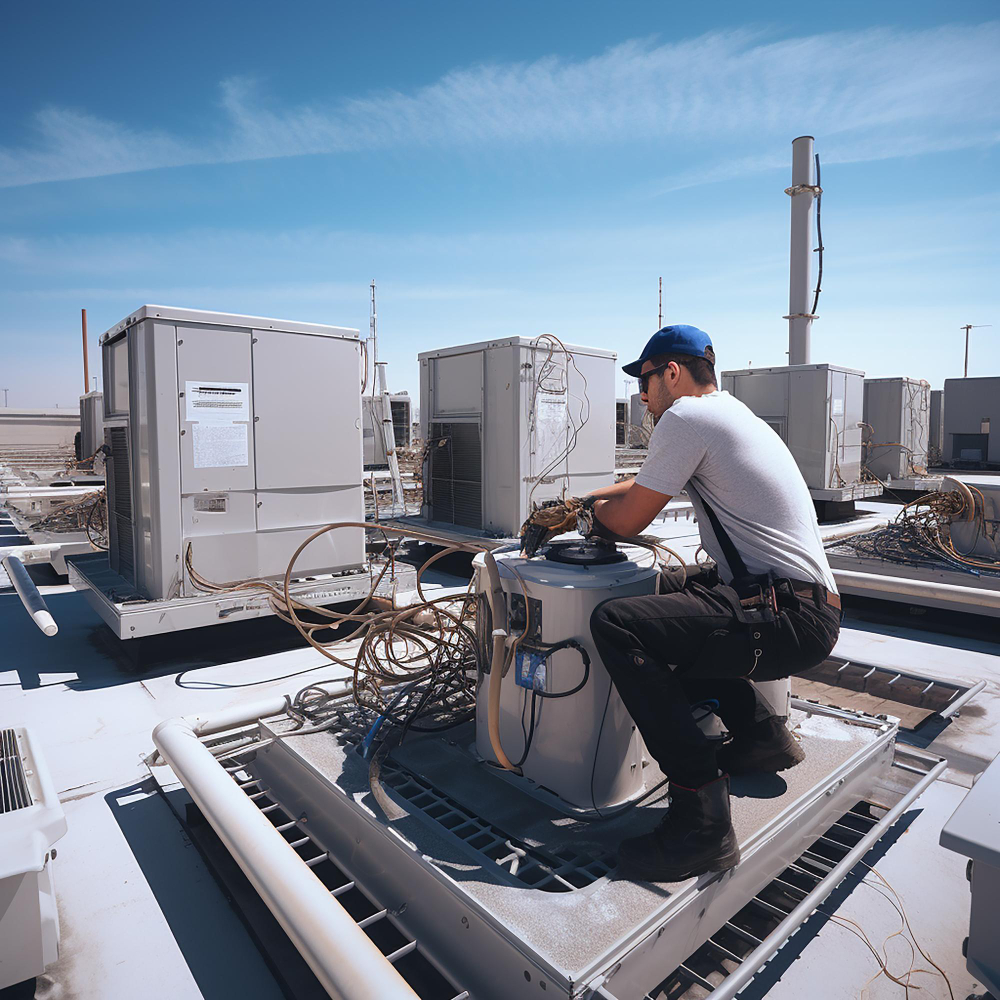
Commercial HVAC systems are often installed on rooftops for several reasons:
- Saves ground space.
- Reduces indoor noise.
- Protects equipment from tampering.
- Allows easier duct distribution.
However, rooftop installations need structural planning, crane lifts, and reinforced mounting. This adds complexity to commercial HVAC services compared to residential air conditioner installation.
Zoning and Controls
In a home, zoning might mean separating upstairs and downstairs. Some homes don’t have zoning at all.
Commercial buildings are different. They may have:
- Multiple tenant spaces.
- Conference rooms.
- Server rooms.
- Retail floors.
- Kitchens.
Each of these areas may require separate temperature settings.
Commercial systems use advanced thermostats, building automation systems, and programmable controls to manage these zones effectively.
This complexity makes commercial HVAC system maintenance more detailed and more frequent.
Maintenance Requirements
Residential maintenance is usually straightforward. Homeowners are advised to schedule service at least once or twice a year. A standard visit includes:
- Checking refrigerant levels.
- Cleaning coils.
- Inspecting electrical components.
- Replacing filters.
- Testing airflow.
Commercial HVAC system maintenance is more structured. Businesses often follow quarterly or monthly maintenance schedules. The system runs longer hours, so wear and tear happens faster.
Routine commercial maintenance may include:
- Inspecting multiple compressors.
- Checking rooftop components.
- Verifying zoning controls.
- Monitoring energy performance.
- Reviewing safety systems.
Since commercial equipment affects employees and customers, downtime can’t be ignored. Preventive care becomes essential.
Energy Efficiency Considerations
Both residential and commercial systems aim for efficiency, but the strategies differ.
In homes, efficiency focuses on lowering monthly energy bills. SEER ratings, proper insulation, and smart thermostats all play a role.
In commercial buildings, efficiency impacts operational costs. Even small inefficiencies can significantly increase expenses across large square footage.
Many commercial HVAC systems include:
- Variable-speed motors.
- Economizers.
- Advanced scheduling controls.
- Demand-based ventilation.
These features allow buildings to adjust output based on occupancy and time of day.
Cost Differences
Residential air conditioner installation generally costs less than commercial system installation. The equipment is smaller, the ductwork is simpler, and labor requirements are lower.
Commercial installations involve:
- Larger equipment.
- Complex duct design.
- Engineering assessments.
- Permits and inspections.
- Crane services for rooftop placement.
The upfront investment is higher, but these systems are built to handle larger loads and last longer.
Maintenance costs also differ. While homeowners typically pay for annual tune-ups, businesses often budget for ongoing service agreements as part of their operating expenses.
Lifespan Expectations
Residential systems usually last 10 to 15 years with proper maintenance.
Commercial HVAC systems may have a similar lifespan, but they often experience heavier daily use. That’s why commercial HVAC system maintenance plays a bigger role in keeping equipment operational.
Regular inspections can extend system life and reduce unexpected breakdowns, which is especially important in Florida’s climate where cooling demand is high most of the year.
Choosing the Right Service Approach
If you own a home, you need a contractor skilled in residential air conditioner installation and maintenance. The focus should be on comfort, efficiency, and reliable operation.
If you operate a business, commercial HVAC services require a different level of planning and ongoing care. System design, zoning, and maintenance strategies all influence performance and long-term costs.
While the goal is the same, consistent indoor comfort, the scale and responsibility differ.
Quick Comparison: Residential vs Commercial HVAC
Residential HVAC Systems
- Smaller capacity.
- Simpler duct layout.
- Ground-level installation.
- Annual maintenance.
- Designed for single-family comfort.
Commercial HVAC Systems
- Larger capacity.
- Multi-zone design.
- Rooftop installation common.
- Frequent preventive maintenance.
- Built for extended daily operation.
Frequently Asked Questions
1. Can a residential HVAC system be used in a small business?
It’s not recommended. Even small commercial spaces often have different ventilation and occupancy needs. Commercial systems are built to handle those demands safely.
2. How often should commercial HVAC systems be serviced?
Most businesses benefit from quarterly inspections. High-demand environments may require more frequent commercial HVAC system maintenance.
3. Are commercial HVAC systems more energy efficient?
They can be, especially when properly designed and maintained. Advanced controls help reduce waste in large buildings.
4. How long does residential air conditioner installation take?
Most installations can be completed within a day, depending on system size and duct modifications.
5. Why are commercial units usually on rooftops?
Rooftop placement saves interior space, reduces noise, and allows better airflow distribution across large buildings.
Conclusion
Whether it’s a home or a business, HVAC systems aren’t one-size-fits-all. Residential units focus on personal comfort and efficiency, while commercial HVAC systems are designed for scale, durability, and reliable performance.
Understanding the differences helps you make smarter decisions about installation, upgrades, and maintenance.
If you’re evaluating your current system or planning for a new space, assessing your needs now can prevent larger issues later. The right setup and consistent care make all the difference in long-term comfort and performance.